Crypto and Web3 Desk · Weekly Dispatch
Crypto and Web3
Bitcoin slid to about 63,000 even as stocks rallied; the real story is the rise of digital dollars and the rules now landing on crypto. In plain English.
A weekly intelligence brief
Crypto and Web3 Desk · Weekly Dispatch
Bitcoin slid to about 63,000 even as stocks rallied; the real story is the rise of digital dollars and the rules now landing on crypto. In plain English.
Weekly Intelligence Brief | Analyst Desk | 2026-06-19
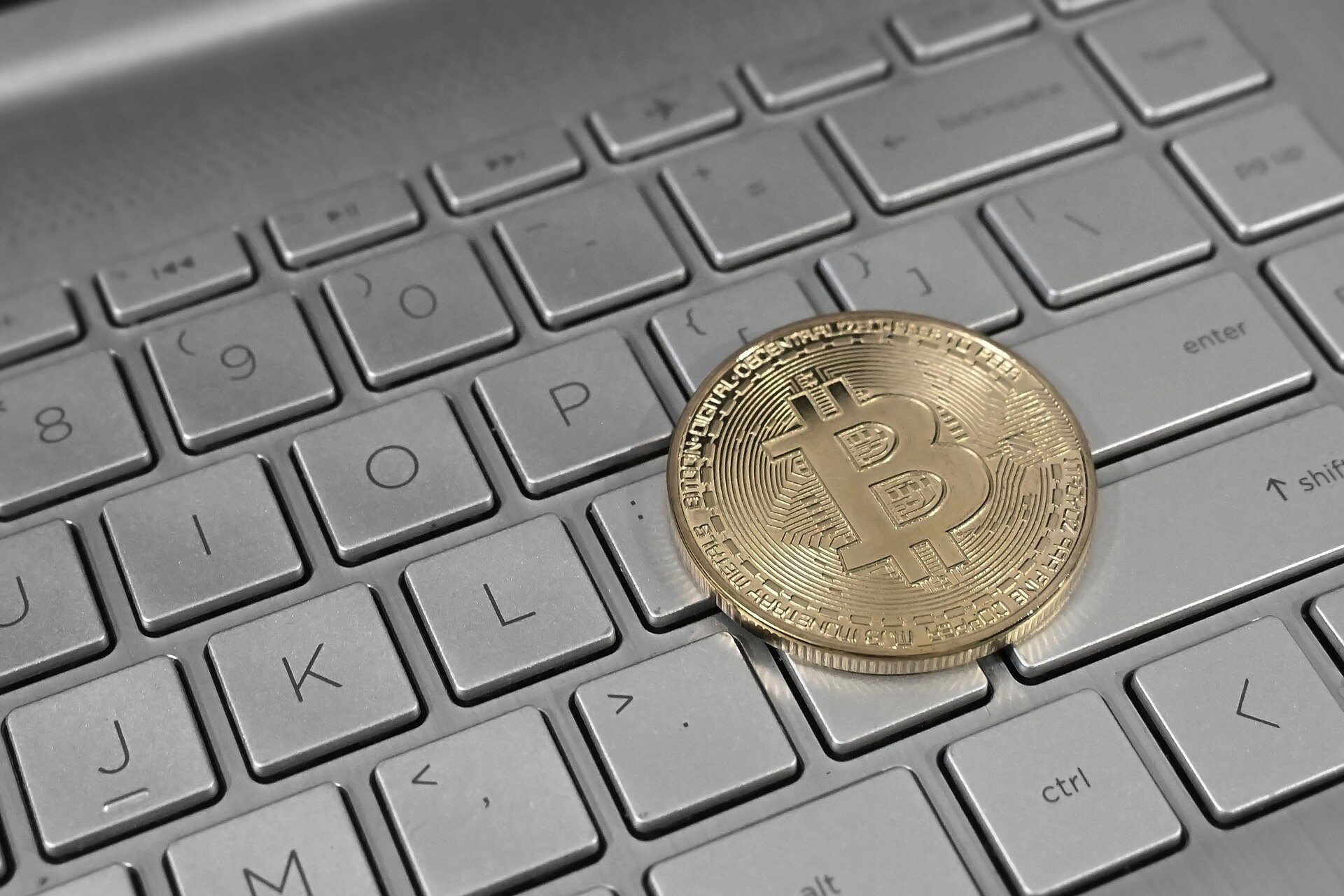
Crypto went its own way this week. Bitcoin, the original and largest cryptocurrency (a digital coin that no government issues), slipped to about 63,000 dollars, falling even as ordinary stocks rallied on the Iran peace deal. It was tracking the hawkish US Federal Reserve and a stronger dollar instead. But the real story in crypto right now is not the bitcoin price. It is something quieter, called stablecoins.
A stablecoin is a digital coin pinned to a real currency, almost always the US dollar, so that one coin is always worth one dollar. It lets people hold and send dollars over the internet without a bank. That makes it the most useful thing in crypto for ordinary people, above all in countries with weak currencies, and the total amount in circulation has climbed to about 306 billion dollars. When that number rises, it means more people around the world are quietly choosing digital dollars. That is the trend to watch.
The other big shift is that governments are finally writing the rules. The United States just cleared its first stablecoin law through the Senate and is debating a broader rulebook. Europe's new crypto law hits a hard deadline on 1 July, by which firms must be licensed or get out. And Russia just made it legal to use crypto for trade across its borders, a way around Western sanctions. After years of a wild-west market, the rule-makers have arrived.
What follows covers the market itself, then how each big region is handling it: the United States, Europe, Argentina and Latin America, Asia, and Russia. Jump to any of them above.
| Topic | Where it stands right now |
|---|---|
| The market | Bitcoin slid to about 63,000, falling even as stocks rallied. The quieter, bigger story is the rise of digital dollars (stablecoins). |
| United States | Writing the rules at last. A stablecoin law is in place; a broader crypto rulebook is moving through Congress. |
| Europe | A hard licensing deadline on 1 July. Many firms are not ready, and the biggest stablecoin is being pulled from EU exchanges. |
| Argentina & Latin America | Where crypto is actually used as money. Most activity is people buying digital dollars to escape a weak peso. |
| Asia | Two models at once: China bans private crypto and pushes a state digital yuan; Hong Kong and Thailand build legal versions. |
| Russia | Using crypto to dodge sanctions, now made legal for foreign trade, which the EU is trying to block. |
A plain-English snapshot as of 19 June 2026. Prices move by the hour; treat them as a guide.
Bitcoin is the largest cryptocurrency, a digital coin run by a worldwide network rather than any government, and people treat it as a high-risk cousin of gold. It slipped to about 63,000 dollars this week, and the telling part is that it fell even as ordinary stocks rallied on the peace deal: crypto was tracking the hawkish US Fed and a stronger dollar instead. Ether, the second-largest, is near 1,800 dollars, and the whole crypto market is worth around 2.2 trillion dollars. Money kept leaving crypto funds after the Fed's hawkish turn.
The number that matters more than the bitcoin price is the supply of stablecoins, the digital dollars. It has grown to about 306 billion dollars. Every time it rises, it is a sign that somewhere in the world more people are moving their savings into dollars they can hold on a phone. That, not the daily price chart, is the real engine of crypto today, and it is why governments suddenly care so much.
After years of suing crypto firms, the US government has switched to writing rules. On 17 June the Senate passed a stablecoin bill, the GENIUS Act, by 68 votes to 30, setting standards so each digital dollar is properly backed by real dollars held in reserve; the president is pushing the House to send it straight for signature. A broader rulebook that would split oversight between two regulators is still being debated, and there is even a bill for the government itself to hold a stockpile of bitcoin, though that remains only a proposal.
The thing to understand is that the friendly headlines run ahead of the reality. The big stablecoin law still has no finished rules, the broader bill faces a hard path through the Senate, and the national bitcoin stockpile is a slogan, not a balance sheet. Crypto in America is moving from outlawed toward regulated, but it has not arrived yet.
Europe wrote a single rulebook for the whole bloc, known as MiCA, and it now hits a hard wall on 1 July. From that date a crypto firm must hold a proper licence to operate, and most of the old operators do not have one yet, so the deadline is shaping up as a scramble rather than a smooth handover. One practical effect: Tether, the largest stablecoin, is being pulled from European exchanges because it does not meet the new standards, leaving more compliant coins in its place.
Czechia is a bright spot for ordinary holders. A 2025 law means crypto held for more than three years is free of income tax, one of the friendlier rules in Europe. Israel, just outside the bloc, has gone a step further and approved the first regulated digital coin pinned to its own currency, the shekel.
Argentina is the place to see what crypto is actually for. With a currency that has lost value for decades, ordinary Argentines use crypto less to gamble and more to survive: about 62 percent of all crypto activity there is in stablecoins, those digital dollars, far above the global share. When your own money is melting, a dollar you can hold on your phone is a lifeline, not a bet.
Crypto has also tangled into politics. A cabinet minister was caught this month hiding about 500,000 dollars in undeclared assets, including crypto gains, and online sleuths quickly poked holes in his account using the public blockchain, the shared ledger that records every crypto transaction for anyone to see. Brazil, next door, is moving the other way, tightening the rules to stop companies using stablecoins to dodge taxes.
Asia is running two opposite experiments at once. China bans private crypto outright, yet pushes its own state-run digital currency, the digital yuan, which it now makes pay interest to draw people in and which the government can watch closely. Hong Kong, just across the border, is doing the reverse, handing the first licences for private stablecoins to big banks.
Thailand is the one to watch for travellers. It is testing an 18-month scheme that lets tourists convert bitcoin and stablecoins into local baht to spend, without making crypto legal money, starting with a trial in Phuket. It is also selling small government bonds to ordinary savers on a blockchain. The contrast across the region, tight state control versus open regulated markets, is a preview of how the rest of the world may split.
For Russia, crypto is mainly a way around sanctions. Cut off from the Western banking system, Moscow has just made it legal to use crypto to pay for imports and exports, formalising a back channel that already moved billions of dollars last year. Tellingly, it stays banned for ordinary payments inside Russia: this is a tool for the state and big traders, not the public.
Europe is trying to slam that channel shut. Its latest sanctions name a list of crypto exchanges and even claim, for the first time, the power to ban a whole country's crypto industry if it helps Russia evade the rules. Central Asia sits in the middle of this fight. Uzbekistan, for one, has set up a taxed, energy-metered zone for crypto mining, a managed opening rather than a free market.
If the rules land smoothly, crypto keeps maturing into a normal, regulated corner of finance: stablecoins spread as everyday digital dollars, and big institutions grow more comfortable. A falling dollar and steadier markets would help the bitcoin price recover.
If the rules trip, Europe's 1 July deadline strands unlicensed firms, a major stablecoin slips off its one-dollar peg, or a large hack dents confidence, and prices fall back. The earliest warning sign is money flowing out of crypto funds again.
A note for readers who follow this desk's cycle lens, kept strictly to pattern, not prediction. Pluto now sits in Aquarius, the sign of networks, machines and the decentralised crowd, exactly as nations write digital money into law and weigh state-held bitcoin. The symbolism could hardly be more on the nose. None of it is a forecast. It is a pattern set beside the news.
Checked against market data and regulators; native-language outlets are noted.
Prepared by the News Feed analyst desk. Checked against market data and local-language sources as of 19 June 2026. Crypto moves fast; where we are unsure, we say so.