Weekly EditionFRIDAY, AUGUST 14, 2026Eight Countries · Nine Desks
Curiosities Desk · Weekly Dispatch
Curiosities
The out-of-the-ordinary desk: the first living goblin shark ever filmed in the deep sea, a faint gravitational-wave signal that might, just might, be a black hole older than the stars, and a Michigan city tearing out four dams to bring back the rapids it was named for. Wonder, mystery and good news, all sourced.
The Analyst Desk · FRIDAY, JULY 10, 2026 Edition
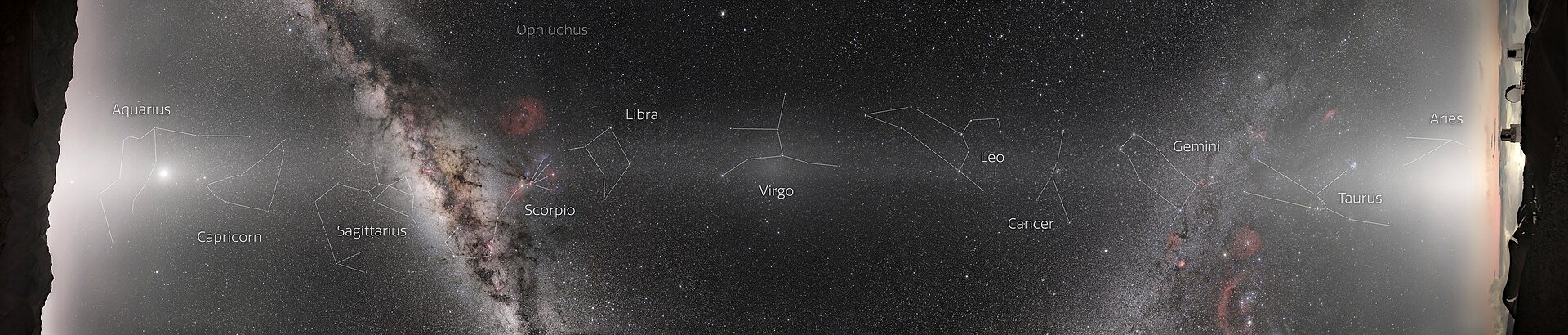
The Milky Way and the zodiac constellations across the night sky
Weekly Brief | Analyst Desk | 10 July 2026
This is the desk for the news that fits no map and no other section: the strange, the wonderful and the genuinely good. Everything here is real and sourced, and nothing here repeats the health or technology desks. Where a finding is early or disputed, we say so plainly, because the most remarkable stories are the ones most often exaggerated. Three parts follow: new discoveries in science and space, real mysteries science has not yet solved, held to a skeptical eye, and the good news worth carrying into the week. Jump to any of them above.
At a glance
Section
What caught our eye
Science and space
Researchers filmed living goblin sharks in the wild for the first time ever, one of them nearly two kilometres down, deeper than the species had ever been recorded.
The unexplained
The Pentagon released a third batch of files on unidentified aerial phenomena. The honest read: most cases got mundane explanations, a minority stay unresolved for lack of data.
The bright side
After 18 years of planning, Grand Rapids began tearing out four dams to restore the rapids it was named for, part of a US record year for dam removal.
As of 10 July 2026. Every item below carries a source link and a plain confidence note, and where the science is unsettled we say so.
Science and space
The first living goblin shark ever filmed in the wild. Researchers from the University of Hawaii and a deep-sea research centre captured the first footage of goblin sharks alive in their natural habitat, one near Jarvis Island and one in the Tonga Trench at nearly 2,000 metres down, about 700 metres deeper than the species had ever been recorded. Until now, every goblin shark a human had ever seen was already dead or dying after being hauled up on a fishing line, so this is the first look at how the animal actually behaves. Published in the Journal of Fish Biology on 8 July. Confidence: solid, peer-reviewed with direct video.
A gravitational-wave signal that might be a black hole older than the stars. A faint signal picked up by the LIGO gravitational-wave detectors involved an object weighing less than the Sun, too light to have formed the usual way, by a dying star collapsing. Researchers argue, in work covered on 2 July, that it could be a primordial black hole, formed in the first fraction of a second after the Big Bang, which would make it a whole new class of object and might help explain dark matter. Confidence: early and disputed. The lead researcher stresses one detection is not enough, and some scientists think it may just be detector noise. It needs a repeat to be believed.
A 13-billion-year-old star cluster, timed for the Fourth of July. NASA released a Hubble Space Telescope image of the globular cluster NGC 6426, one of the oldest known clusters in the Milky Way at roughly 13 billion years, its red and blue stars arranged to look like a sparkler, timed to the US Independence Day. Confidence: solid on the object and the image, but this is a holiday-timed release of an old, well-studied cluster, so read it as a nice picture rather than new science.
The Pentagon's third UAP file drop: mostly explainable, some not. The US Department of War released a third batch of declassified files on unidentified aerial phenomena, including police accounts of glowing red "orbs" over the northeastern US. Investigators ruled out drones, foreign intelligence and misidentified aircraft for several cases, but assessed at least one 2022 sighting, with low confidence, as likely sunlight bouncing off snow onto low cloud. The honest read: the documents are real, and the genuinely unresolved cases are unresolved because the sensor data is thin, not because anything exotic was proven. Confidence: the files are solid fact; "unexplained" here means under-evidenced, not anomalous.
A new UAP science panel, with a professional skeptic on it. A government-linked advisory council was formed to bring scientific rigour to UAP analysis, chaired by Harvard astronomer Avi Loeb. Notably, it includes Michael Shermer, founder of Skeptic magazine, specifically to push back on exotic interpretations; he has already said most other members are more open to non-terrestrial explanations than the physics warrants. Confidence: the council and its membership are solid fact; whether it can actually resolve anything is unproven, since it only reviews what the Pentagon chooses to release, and "unresolved" is not evidence of "non-human."
A city tears out four dams to bring back its rapids. After 18 years of planning, Grand Rapids, Michigan began removing four low dams from its downtown river in July to restore the rapids the city was named for, with the whitewater expected back within two years. It is part of a US record: 100 dams were removed in 2025 alone, reconnecting nearly 4,900 miles of river, the most in a single year. Confidence: solid, an official project underway and corroborated by local news.
One of the world's largest marine reserves, locked in. French Polynesia finalised a 520,000 square kilometre expansion of its protected waters, bringing full protection to 1.4 million square kilometres and meeting the global benchmark of protecting 30 percent of its sea. It shields 20 shark species, including the critically endangered scalloped hammerhead, and hundreds of fish and mollusc species. Confidence: solid, an official government announcement corroborated across outlets.
The world's mangroves are finally gaining ground. A major study found that mangrove forests have gained more area than they have lost over the past 16 years, the first time the trend has flipped positive, credited to restoration projects and better coastal management reversing decades of decline. Mangroves protect coasts from storms and store large amounts of carbon, so a net gain matters well beyond the trees themselves. Confidence: solid on the peer-reviewed trend, with the caveat that it is a global net figure and some regions are still losing mangroves.
The pattern across this week is that the tools of observation keep getting better, and better observation produces both wonder and humility. Deep-sea cameras show us an animal we had only ever seen dead. Gravitational-wave detectors pick up a whisper that might rewrite where black holes come from, or might be nothing. Government sensors log lights in the sky that mostly turn out to be ordinary once someone looks carefully. The honest posture, in science and in mystery alike, is curiosity paired with patience: hold the remarkable claim lightly until a second look confirms it.
How sure we are
Solid The goblin shark footage, the Hubble image, the Grand Rapids dam removal and the French Polynesia marine reserve are all confirmed, sourced to peer-reviewed work, NASA, or official government and local news.
Early or disputed The LIGO primordial-black-hole interpretation rests on a single detection and is contested even by its own authors; treat it as a fascinating maybe, not a result.
Correctly framed The UAP files are real documents, but the "unexplained" cases are unresolved for lack of data, not proof of anything exotic. We resisted the common overreach that treats under-evidenced as anomalous.
Flagged The mangrove net-gain figure is drawn from strong secondary coverage; the underlying study is worth reading in full before treating the global reversal as settled.
Sources
Every item above carries its own source link inline. Reputable science outlets, NASA, peer-reviewed journals and official government or local news were used throughout, and paranormal content mills were deliberately excluded.
Prepared by the News Feed analyst desk. Verified against ScienceDaily, NASA, CBS News, Scientific American and local news as of 10 July 2026. Confidence notes are given for every item. Not for redistribution.
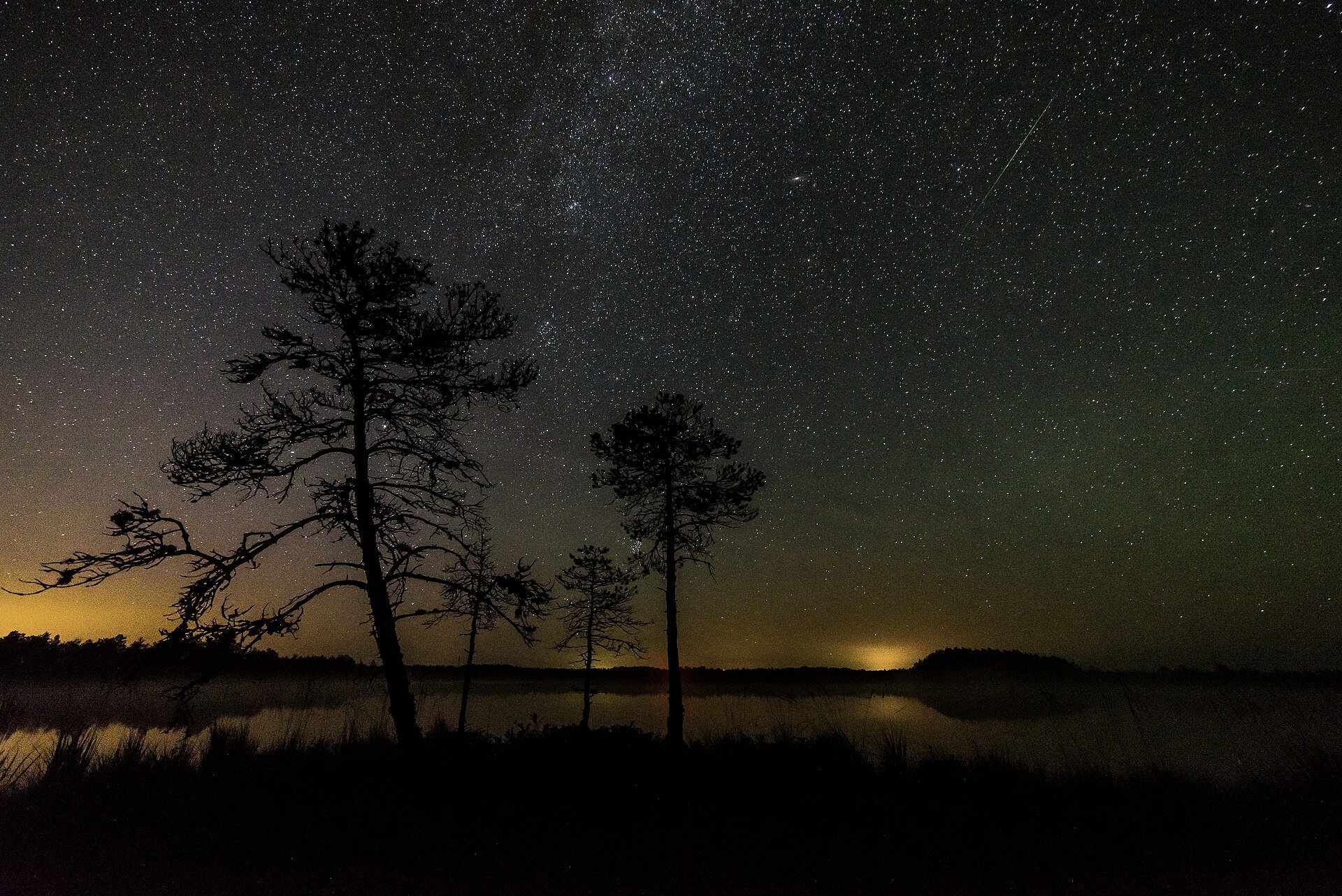
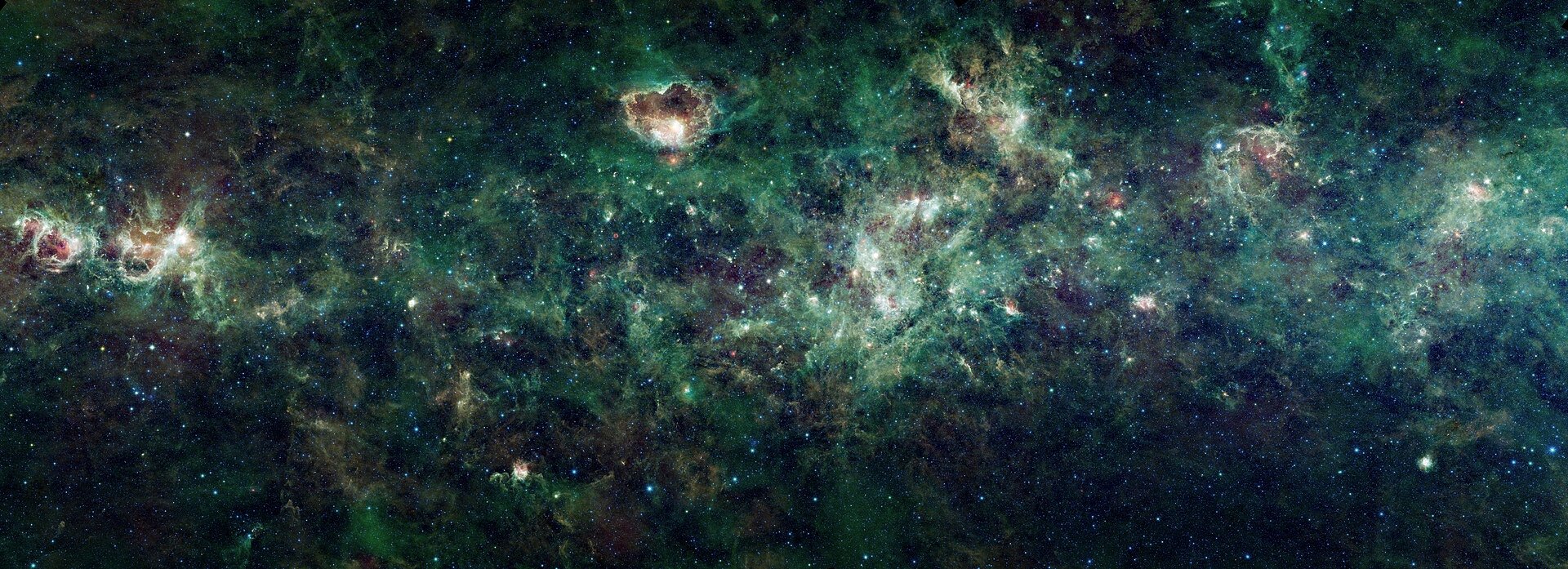
Pine trees under a starry sky, a meteor streaking at upper rightAn infrared telescope view of dust clouds in the Milky Way