Weekly EditionFRIDAY, AUGUST 14, 2026Eight Countries · Nine Desks
Curiosities Desk · Weekly Dispatch
Curiosities
The out-of-the-ordinary desk: two teams find the faintest exoplanet ever directly imaged, hiding unrecognised in telescope archives for a decade, a T. rex tooth turns up embedded in the face of its prey, and a Michigan zoo welcomes only its second gorilla birth in a century. Wonder, mystery and good news, all sourced.
The Analyst Desk · FRIDAY, JULY 17, 2026 Edition
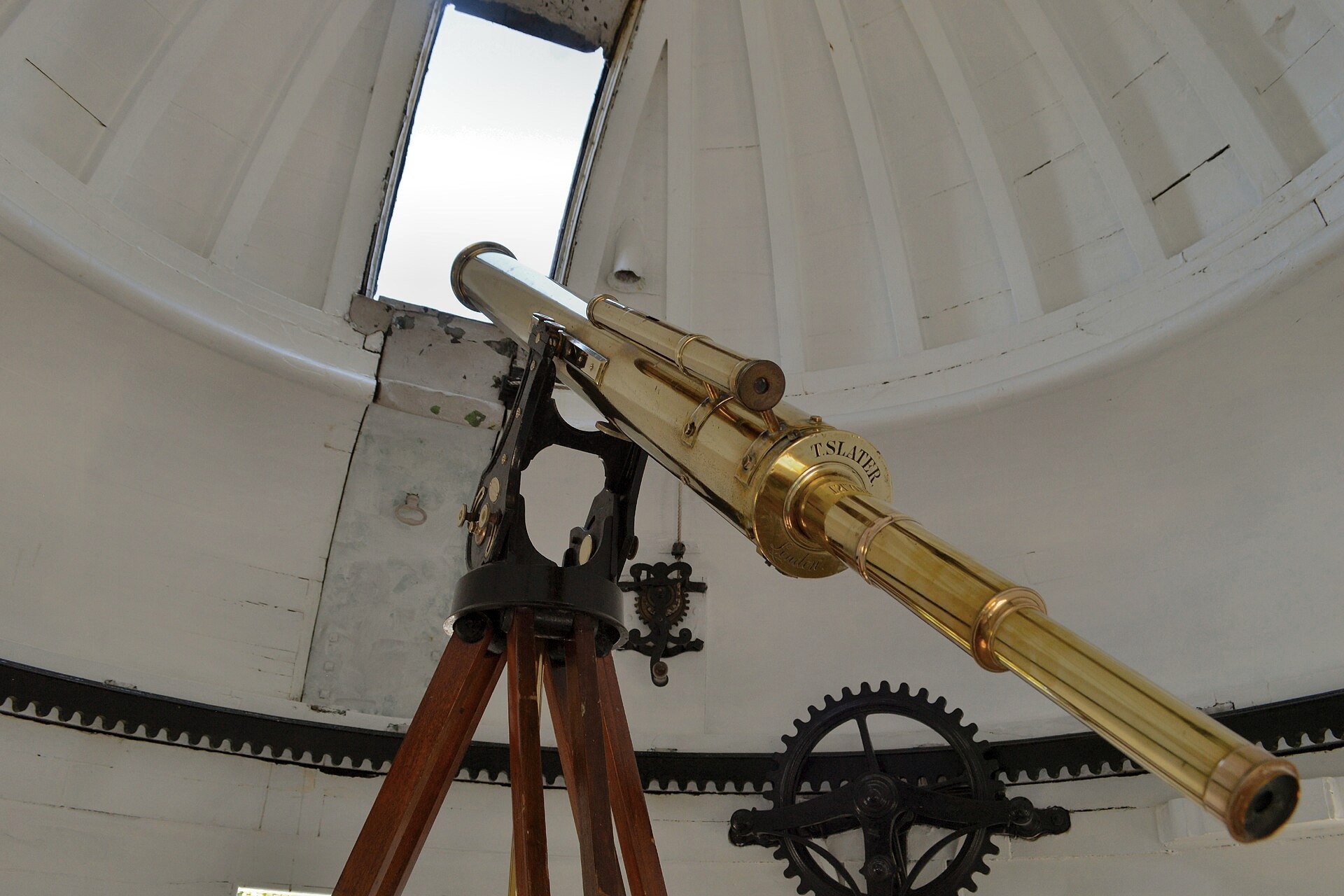
A brass telescope on a tripod inside a domed observatory.
Weekly Brief | Analyst Desk | 17 July 2026
This is the desk for the news that fits no map and no other section: the strange, the wonderful and the genuinely good. Everything here is real and sourced, and nothing here repeats the health or technology desks. Where a finding is early, provisional, or announced just before this week's window, we say so plainly, because the most remarkable stories are the ones most often exaggerated. Three parts follow: new discoveries in science and space, real mysteries science has not yet solved, held to a skeptical eye, and the good news worth carrying into the week. Jump to any of them above.
At a glance
Section
What caught our eye
Science and space
Two independent teams announced the same discovery on the same day: the faintest exoplanet ever directly imaged, sitting unrecognised in a decade of archive images.
The unexplained
The Pentagon released a fourth batch of UAP files, a viral "Bigfoot" video from Virginia drew 17 million views, and mystery metal spheres on an Australian beach turned out to be rocket debris.
The bright side
A Michigan zoo welcomed only its second gorilla birth in nearly 100 years, a Benin national park tripled its leopard count, and California handed 136 acres of coast back to three Pomo tribes.
As of 17 July 2026. Every item below carries a source link and a plain confidence note, and where a finding is early or provisional we say so.
Science and space
The faintest exoplanet ever directly imaged, found hiding in plain sight since 2014. Two independent teams, Ben Sutlieff of the University of Edinburgh with Markus Bonse of ESO-MPIS, and separately Aidan Gibbs of UC San Diego, announced the same discovery on the same day, 15 July 2026: a gas giant orbiting the star Beta Pictoris, 2.4 times the mass of Jupiter, on a 91-year orbit. It was found with the Very Large Telescope's ERIS instrument, and it had been sitting unrecognised in images since 2014. The James Webb Space Telescope independently confirmed an atmosphere containing methane, carbon monoxide and water vapour. Beta Pictoris is now only the second known system with more than one directly imaged planet. Confidence: strong. The finding rests on two independent teams working separately, cross-confirmed by two different telescopes.
The oldest quasars ever seen, caught by a wide-field survey telescope. The Euclid space telescope turned up 31 new quasars from the universe's first billion years, including two record-holders with redshifts of 7.77 and 7.69, meaning their light set out roughly 670 million years after the Big Bang. The results appear in the peer-reviewed paper 'Euclid: Discovery of 31 new quasars at 6.6<z<7.8' in Astronomy & Astrophysics. Confidence: solid, peer-reviewed. Timing note: ESA announced this on 6 July, four days before this week's window, but it has remained the dominant space story in circulation through the week, so it earns a place here.
Thirty-one possible new deep-sea species, found off Brazil in two weeks. A Schmidt Ocean Institute expedition, led by Dr Karen Osborn of the Smithsonian and using the remotely operated vehicle SuBastian, surveyed waters more than half a mile deep off Brazil and came back with nine jellyfish, seven comb jellies, seven siphonophores, four larvaceans, a gossamer worm, an amphipod, two giant single-celled organisms and a deep helmet jellyfish of the genus Bathykorus, all provisionally new to science. The team combined onboard genome sequencing with the first live 3D imaging of cellular structure done at sea. Confidence: this is a field expedition report, not a completed study. Formal taxonomic descriptions, the peer review that actually confirms a species is new, are still pending, so treat '31 new species' as a provisional count for now.
A T. rex tooth found lodged in the face of its prey. A fossil excavated back in 2005 in Montana's Hell Creek Formation has now been analysed by Taia Wyenberg-Henzler of the University of Alberta and John Scannella of the Museum of the Rockies: a broken predator tooth embedded in the face of an Edmontosaurus, CT-matched to Tyrannosaurus rex. There is no bone healing around the wound, meaning the Edmontosaurus died at or near the moment of the bite, direct physical evidence of a predator-prey attack rather than scavenging after death. Confidence: solid, peer-reviewed in PeerJ.
The Pentagon's fourth UAP file release: 14 documents, 19 videos, mostly unresolved for lack of data. The Department of War released a fourth batch of files on unidentified aerial phenomena on 10 July, jointly with NASA, the CIA, the FBI and the Energy Department: 14 documents, 19 videos, 4 audio files and 3 images spanning records from 1948 to 2020. The notable cases: a 2015 incident at the Pantex nuclear facility in Texas, where radar tracked a silent, propulsion-less object; a 2019 aviator report of flight characteristics the pilot said were unlike anything seen in 28 years of flying; and a 2020 Atlantic sighting of a maroonish, balloon-shaped object, for which officials floated an unconfirmed balloon explanation. The honest read: most of these incidents remain formally unexplained, and 'unexplained' here means not yet identified, not confirmed anomalous. Confidence: the document release itself is solid fact; the underlying incident accounts are single-witness or single-sensor reports without independent physical evidence.
A viral "Bigfoot" video from Virginia, almost certainly not Bigfoot. A father posted a TikTok video on 12 July after his children reportedly screamed at the sight of a tall dark shape near a wooded road; it has since drawn more than 17 million views. Skeptical coverage through 14 July points to a wooden Halloween-style cutout, a stump, or a commercially sold 'Bigfoot' yard display as the most likely explanations. One good line from the skeptics: a phone that can photograph the moon clearly somehow produced footage with the quality of a 1990s flip phone. Confidence: a single family's eyewitness account and a viral clip, unverified, with no physical evidence recovered and no follow-up investigation. Leans strongly toward a misidentified object or a prop.
Mystery metal spheres on an Australian beach, resolved as rocket debris. Six large metal balls washed up in North Queensland, Australia, and were initially treated as a hazardous-materials scare by the Queensland Fire Department. The Australian Space Agency examined them and identified them as pressure vessels from a foreign rocket body that had recently re-entered the atmosphere. Confidence: resolved, by an official agency determination. This one ran on 9 July, a day before this week's window, but belongs in this week's coverage cycle, and it is a clean example of this section's actual job: most 'mysterious' objects turn out to have a mundane explanation once someone with the right expertise looks.
My Suncoast: large mysterious metal balls wash up on beach
Method note: two other viral claims were checked this week and left out because they are not paranormal, they are misinformation about real people. A photo claimed as proof a missing man is alive was traced by Snopes and Rolling Stone through metadata on 15 July and found not to hold up; a claim that a photo of Mitch McConnell was AI-generated was checked by Snopes on 13 July, which found no evidence of manipulation. A Loch Ness sighting was also considered and dropped, since the most recent verifiable entry in the official sighting register dates to 18 May, well outside this week's window.
The bright side
Leopard numbers triple in a West African park, even as armed groups move through its edges. A peer-reviewed study led by Marine Drouilly in Global Ecology and Conservation reports the first long-term leopard monitoring done in West Africa: density in Benin's Pendjari National Park rose from 0.62 to 2.08 leopards per 100 square kilometres between 2017 and 2023. The gains are credited to African Parks' anti-poaching patrols, habitat and water restoration, rebuilding prey populations, and getting local communities into 81 percent of park decisions, all while non-state armed groups infiltrated parts of the surrounding landscape. Honest caveat: recent surveys have found no cubs, a real concern for the population's future. Confidence: peer-reviewed. Published 2 July and still the leading conservation story in circulation, syndicated as recently as 11 July.
A Michigan zoo's second gorilla birth in nearly 100 years. A female western lowland gorilla, a critically endangered species, was born late in the evening of 12 July 2026 at the Detroit Zoo, to first-time mother Tulivu and father Mshindi. She is only the second gorilla ever born at the zoo; the first, Motema, arrived in August 2024, making the two half-siblings. Mother and baby are reported healthy and bonding well. Confidence: verified zoo announcement, corroborated across multiple local outlets.
California returns 136 acres of coastline to three Pomo tribes, a first for the state. Blues Beach and its surrounding bluffs near Westport, in Mendocino County, have been transferred from Caltrans to Kai Poma, a nonprofit representing the Sherwood Valley Band of Pomo Indians, the Round Valley Indian Tribes and the Coyote Valley Band of Pomo Indians, the first transfer of its kind in California history. The move was enabled by a 2021 state law, and the California Transportation Commission gave final regulatory approval on 26 June 2026. The land is restricted from commercial use and reserved for cultural and spiritual use, including seaweed and abalone gathering and youth cultural camps, with continued public access required. Confidence: verified government announcement, corroborated by multiple California outlets. The approval itself landed on 26 June, before this week's window, but coverage and attention continued through the first half of July.
The pattern across this week is that patience keeps paying off. The faintest exoplanet on record was sitting in a telescope archive for a decade before two teams, working apart, finally recognised it on the same day. A predator-prey fossil sat in a drawer for two decades before a CT scanner made the case airtight. Government files on unexplained sightings and a beach full of mystery metal spheres both show the same habit worth keeping: most of what looks strange collapses into something ordinary once someone with the right tools looks closely, and the cases that stay open usually do so for want of data, not for want of an exotic explanation. The good news this week runs on the same patience, years of leopard patrols, decades-old land law, a zoo's first-time mother. Nothing here was fast. All of it was earned.
How sure we are
Solid The Beta Pictoris d discovery, the T. rex tooth, the Detroit Zoo gorilla birth, and the California land transfer are all confirmed: peer-reviewed research, a zoo's own verified announcement, or an official government determination corroborated by multiple outlets.
Provisional The "31 new deep-sea species" figure comes from a field expedition report. Formal taxonomic description, the actual peer-reviewed confirmation, has not happened yet, so read the count as a strong first pass, not a finished tally.
Announced just before this week, still circulating The Euclid quasar discovery (6 July), the West African leopard study (2 July), the Queensland debris resolution (9 July) and the California approval (26 June) all landed slightly outside this week's window but stayed in active circulation through it. We say so rather than implying any of them broke this week.
Unverified, leaning skeptical The Virginia "Bigfoot" video is a single family's account and a viral clip, with no physical evidence and no investigation. The likeliest explanations are a stump or a yard display, not an unknown animal.
Correctly framed The Pentagon's UAP files are real documents, but the unresolved cases in them are unresolved for lack of sensor data, not proof of anything anomalous. We resisted the common overreach that treats "not yet identified" as "confirmed strange."
Sources
Every item above carries its own source link inline. The Max Planck Institute for Astronomy, the European Space Agency, ScienceDaily, the Schmidt Ocean Institute's own reporting, CBS News, Mongabay and local news outlets in Detroit, California and Queensland were used throughout. Viral and paranormal claims were checked against skeptical coverage and, where relevant, fact-checking outlets, and content mills were deliberately excluded.
Prepared by the News Feed analyst desk. Verified against MPIA, ESA, ScienceDaily, CBS News, Mongabay, ClickOnDetroit and multiple local outlets as of 17 July 2026. Confidence notes are given for every item. Not for redistribution.
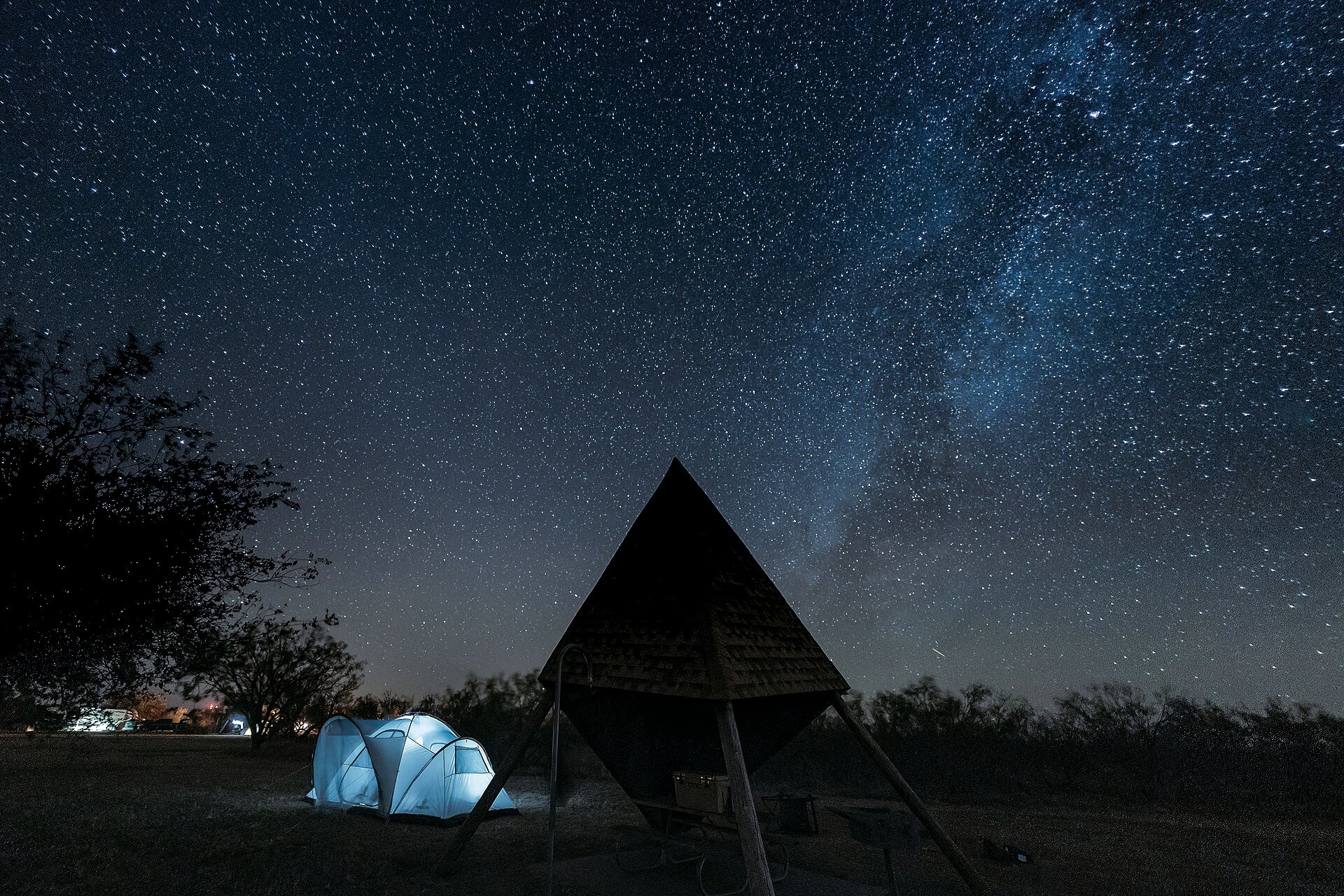
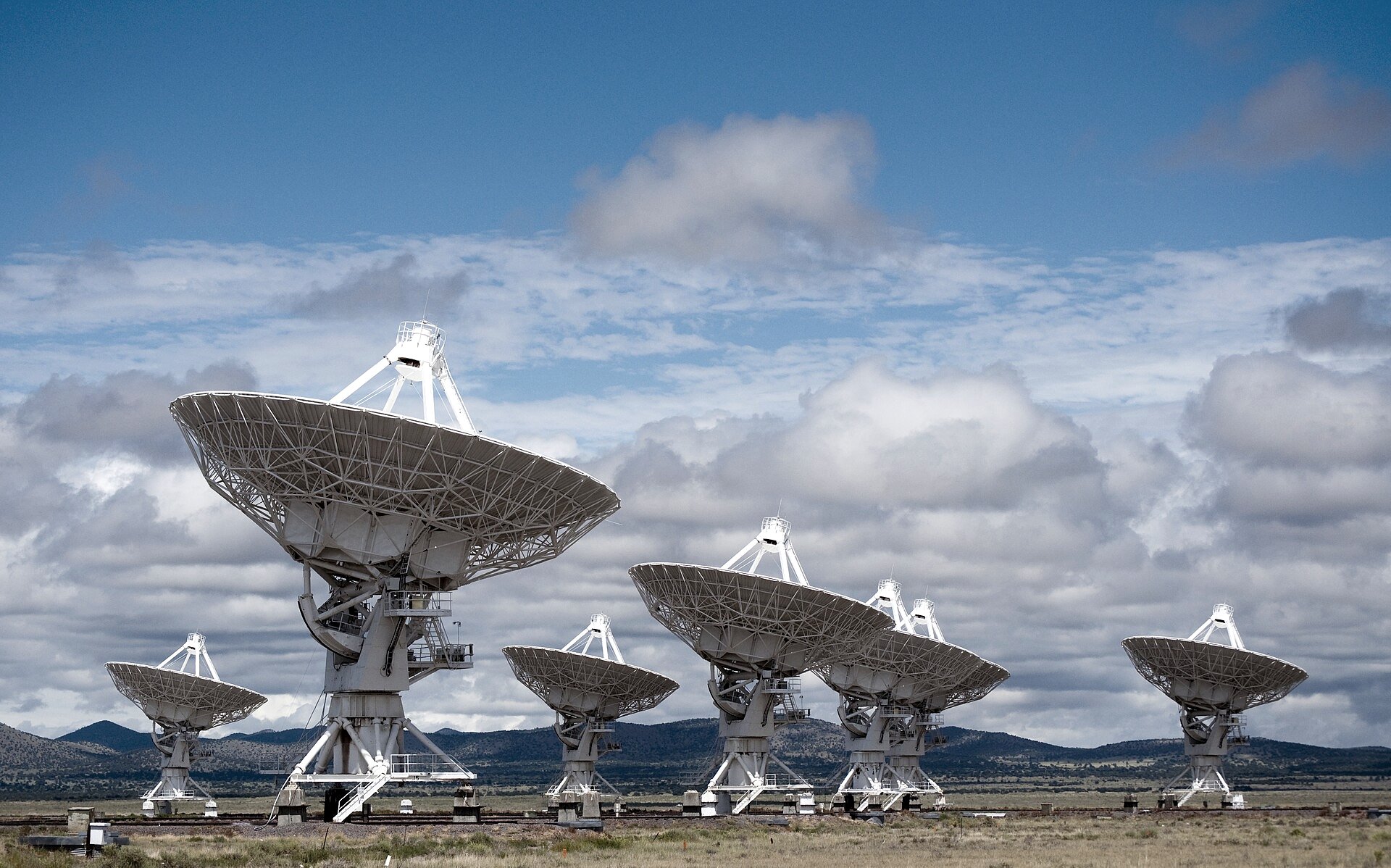
A lit tent under a star-filled night sky showing the Milky Way.Radio telescope dishes of the Very Large Array under a cloudy sky.