Weekly EditionFRIDAY, AUGUST 14, 2026Eight Countries · Nine Desks
From the archive
Weekly Edition
Friday, July 3, 2026. Eight desks across eight countries. This is a past edition; the figures in it were current the week it was published and have not been updated.
A week where a rising disaster in Venezuela met a real setback for Russia at its refineries and a quiet rupture in North American trade: Washington let the USMCA deal lapse instead of renewing it. China leaned harder on Taiwan with coast guard patrols and a carrier transit, and the Iran ceasefire kept surviving one crisis at a time.
The week's biggest story is still unfolding in real time. Venezuela's earthquake toll has not stopped climbing: from 1,430 dead on 27 June to at least 2,595 dead, 12,400 injured and roughly 50,000 people still unaccounted for by 2 July, according to acting president Delcy Rodriguez.
A weak US jobs report lands two days after Kevin Warsh, the new Fed Chair, warned inflation is still too high; oil keeps sliding toward 71 dollars; and ten economies from Thailand to Moldova show what happens when central banks stop moving in the same direction.
Two numbers framed this week. On 1 July, Kevin Warsh, the new chair of the US Federal Reserve, stood on stage at the European Central Bank's policy forum in Sintra, Portugal, his first appearance on the world stage since being sworn in on 22 May, and said inflation is still "too high." He gave no hint on the Fed's next move and stressed the central bank's in.
A weak June jobs report scrambles the rate-hike story the Fed had been telling. The Dow hits a record on the news while the Nasdaq and chips slide, a rotation, not a crash. Japan pulls back hard from its record, oil sinks to a five-month low, and Argentina, Russia and Thailand each tell their own separate story of money leaving.
The week ending 3 July 2026 turned on one number. On 2 July the Labor Department reported that the US economy added just 57,000 jobs in June, barely half of what Wall Street expected and well below the pace of hiring earlier this year. Unemployment ticked down to 4.2 percent only because fewer people were looking for work.
Bitcoin clawed back above 61,000 dollars this week, up from a June low near 59,000, even as US spot ETFs booked their worst month on record at 4.5 billion dollars in outflows. Stablecoin supply held near 311 billion dollars, Europe's MiCA licensing deadline finally arrived on 1 July with most firms still unlicensed, and North Korea was confirmed as the source of two thirds of all crypto theft in the first half of 2026.
The number underneath this week's crypto news is not the bitcoin price. It is 972 million dollars: the total stolen from crypto platforms worldwide in the first six months of 2026, according to blockchain-intelligence firm TRM Labs. Of that, 643 million dollars, or 66 percent, is attributed to North Korea-linked hacking groups.
Claude Sonnet 5 ships as Anthropic and OpenAI both sit in the SEC quiet room. Chip stocks wobble on margin fears even as TSMC heads into a record quarter. Iran-linked hackers triple their hit rate on Israel. Jupiter moves into Leo and Mercury turns retrograde in the same week Wall Street starts pricing the first AI-lab IPOs.
Anthropic and OpenAI are both now sitting in the same regulatory quiet room, and the pace of product releases has not slowed while they wait. Anthropic shipped Claude Sonnet 5 on 30 June, its most agentic mid-tier model yet, performing close to flagship Opus 4.8 on many tasks and priced below the outgoing Sonnet 4.6 through the end of August.
Ebola in the DRC passed 1,300 confirmed cases and nearly 400 deaths this week, still climbing with no vaccine for this strain. A quarter of FDA oncology approvals lands in one roundup, led by the first PROTAC cancer drug. A new outbreak signal arrives from an old enemy: New World screwworm, a flesh-eating fly parasite, confirmed in US livestock for the first time in decades. Thailand pushes a mandatory tourist health-insurance rule as dengue season opens. Drug pricing, longevity and the full outbreak board, in plain English.
The week ending 3 July was dominated by one number moving the wrong way. The Ebola outbreak in the Democratic Republic of the Congo, caused by the Bundibugyo strain for which no vaccine exists, reached 1,333 confirmed cases and 399 deaths as of 29 June, up from roughly 1,155 cases a week earlier.
Banks are quietly rewriting who can bank a nomad LLC, Bulgaria is now open for business at a flat 10 percent, and Georgia clarifies who is exempt from its new work-permit law. Visas, best and worst places, where to set up a company, and the week's news.
This desk covers the week of 27 June to 3 July 2026. The picture in mid-2026 has not reversed: the cheap, unregulated nomad era is still winding down, and a costlier, better-documented one is taking its place.
The week the World Cup hit the knockout rounds with Messi and Mbappe tied atop the Golden Boot race, Wimbledon opened with eight seeds gone on day one, Supergirl bombed at the box office next to Toy Story 5, and George Russell beat Max Verstappen at the Austrian Grand Prix.
The week of June 27 to July 3, 2026 is the hinge point of the sports summer. The World Cup moved into single elimination, Wimbledon opened with a bloodbath of seeds, and the box office produced its clearest hit-and-flop pairing of the year: Toy Story 5 still printing money in its second weekend while Supergirl opened to a number DC Studios will want to forge.
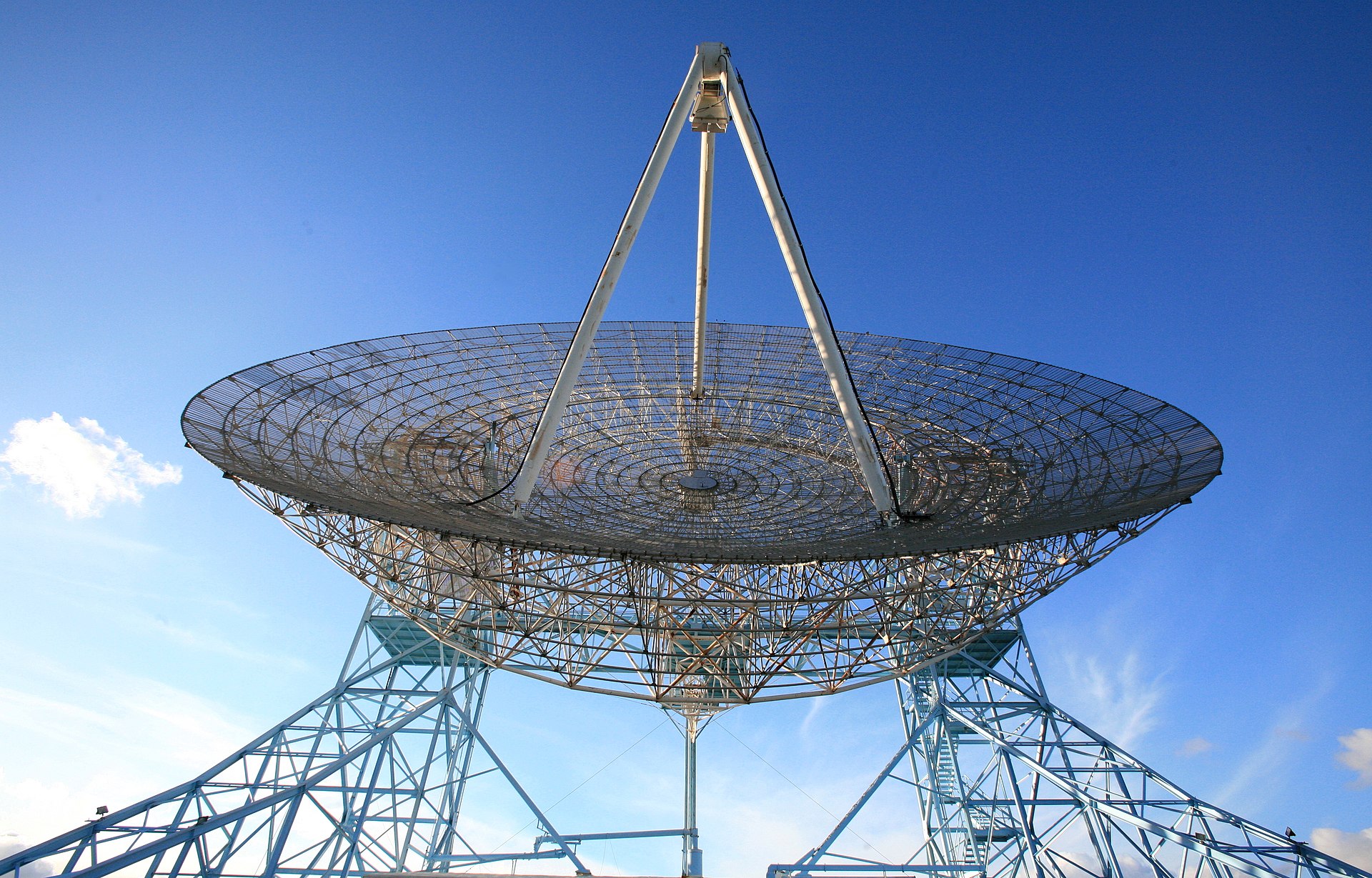
The out-of-the-ordinary desk: an intact Maya city that has sat untouched in the Mexican jungle for a thousand years, a fifty-year radio-signal puzzle finally cracked by a student, and a single mountain lion that quietly rewired a whole nature preserve. Wonder, mystery and good news, all sourced.
This is the desk for the news that fits no map and no other section: the strange, the wonderful and the genuinely good. Everything here is real and sourced. Where a finding is early or disputed, we say so plainly, because the most remarkable stories are the ones most often exaggerated.