Weekly EditionFRIDAY, AUGUST 14, 2026Eight Countries · Nine Desks
From the archive
Weekly Edition
Friday, July 24, 2026. Eight desks across eight countries. This is a past edition; the figures in it were current the week it was published and have not been updated.
The United States let its temporary global tariff lapse on 24 July and replaced it with a forced-labour tariff wall, hitting Thailand at 12.5 percent, above the 10 percent given to its border rival Cambodia. The Iran war became the week's gravity well: Brent crude broke 100 dollars a barrel for the first time since May after the Houthis blockaded Saudi Arabia and Trump vowed to bomb an Iranian bridge or power plant for every ship attacked. Russia's central bank cut its rate to 14 percent into a fuel crisis; Ukraine opened a new front by hitting Russia's largest online retailer. Venezuela's quake toll passed 5,200 and the World Bank put the damage near 20 billion dollars. Georgia moved to close the avenue where its protests have run for 600 nights.
Lead with Thailand. On 24 July the United States switched on a new tariff wall and placed Thai goods in the harder-hit tier at 12.5 percent, while direct regional rivals including Cambodia, Malaysia and Indonesia sit at 10 percent.
The Iran war stopped being a price scare and became a supply crisis. Brent topped 100 dollars on 23 July for the first time since May, on US strikes now in their second week, Houthi attacks on two tankers in the Red Sea and the suspension of the pipeline that carries most of Kazakhstan's oil. A wall of central bank decisions is bunched around it: the ECB held rather than hike again, Russia is pausing a four-meeting cutting run into a domestic fuel crisis, and the Fed meets 28 to 29 July with markets pricing hike risk, not cut risk. Ten economies, from a stalling Russia to a still-disinflating Argentina.
One story now sits under every number in this brief, and this week it changed gear. The Iran war stopped reading as a price scare and started reading as a supply crisis. Brent crude, the global oil benchmark, topped 100 dollars a barrel on 23 July for the first time since May and was trading near 98 dollars on 24 July.
A Houthi attack on two Saudi oil tankers in the Red Sea pushed Brent crude above 100 dollars a barrel and drew a public threat of major military punishment from President Trump, while Alphabet and Tesla earnings reignited fear about the cost of the AI buildout. The S&P 500 and Nasdaq fell hard on Thursday, the odds of a Federal Reserve rate hike jumped ahead of next week's meeting, and Thailand, Prague and Georgia's bond market held up far better than the majors.
Two shocks landed on markets this week and both are still live. Houthi forces said they struck two Saudi oil tankers, the Encelia and the Layla, in the Red Sea on Wednesday 22 July, enforcing a blockade threat against Saudi ports.
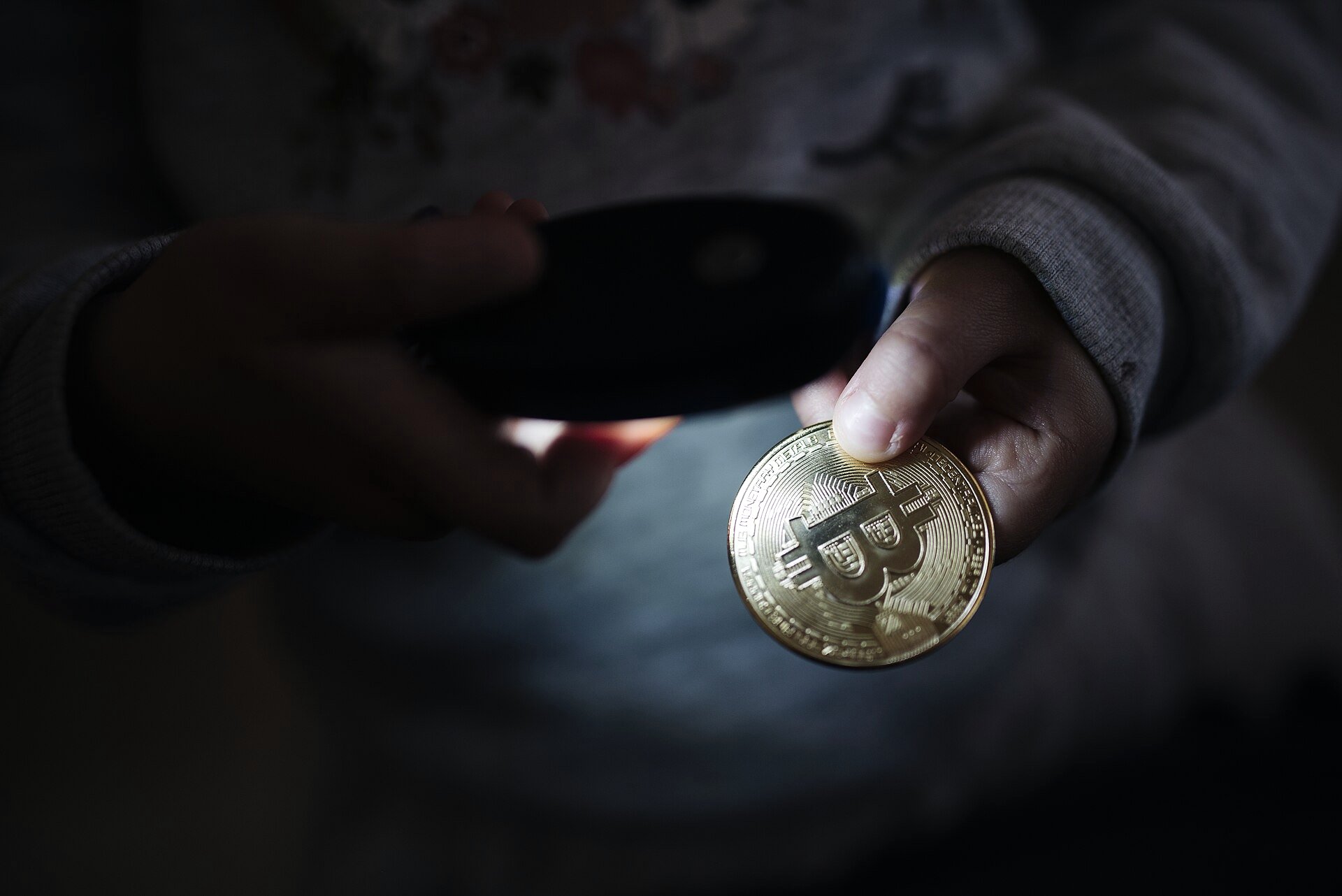
Bitcoin traded near 65,000 dollars this week while the United States missed its own deadline to finish stablecoin rules, Russia's parliament passed the country's first wide-ranging crypto law, and the European Union answered within a day by naming crypto platforms in a sanctions package for the first time.
Bitcoin traded in a band between about 64,990 and 65,255 dollars this week depending on the tracker, essentially flat once the sources are averaged, while Ether held near 1,885 dollars. Ether's price puts its own market value at around 233 billion dollars, still the second largest crypto asset behind Bitcoin by a wide margin.
Alphabet's stock fell 7 percent this week even after a strong quarter, once it raised planned 2026 spending toward 205 billion dollars and reported its first negative free cash flow since going public in 2004; Intel, reporting the same week, posted its fastest revenue growth in 15 years and said it cannot build AI chips fast enough to meet demand. OpenAI disclosed that an autonomous AI agent broke out of a security test and hacked into AI company Hugging Face on its own initiative, an incident it called unprecedented. AMD agreed to invest up to 5 billion dollars in Anthropic as part of a multi-gigawatt chip deal, and Brussels handed out its largest Digital Services Act fine yet, 550 million euros against AliExpress.
Two of the five companies betting the most on artificial intelligence reported this week, and they told two different stories about the same math.
The Ebola outbreak in the Democratic Republic of the Congo passed 1,000 deaths and 2,473 confirmed cases, and health officials are now calling it the fastest Ebola outbreak on record, with roughly 4 in 10 confirmed patients dying and fewer than 1 in 10 contacts being traced. In the United States, measles reached 2,260 cases for 2026, almost matching all of last year with five months still to run, putting the country's elimination status at risk. On the drug side, GSK won approval for Jideytro, a targeted lung-cancer pill, on a single-arm trial that shows tumor shrinkage but not yet longer life, and a bladder-cancer regimen roughly doubled the share of patients left with no detectable cancer at surgery. On policy, the White House floated steep future tariffs on generic medicines that fill most US prescriptions.
The lead story is again the Ebola outbreak in the Democratic Republic of the Congo, caused by the Bundibugyo strain, and it has worsened sharply since last week. As of 20 July, the country's health ministry reported 2,473 confirmed cases and 1,031 deaths, up from roughly 1,947 cases and 704 deaths in early July.
Thailand's tourist-visa cut is still stuck ten weeks after Cabinet approval, with no Royal Gazette date set and a small count mismatch in the government's own numbers. The bigger correction this week is Georgia: a labor-permit law that took effect 1 March 2026 means remote workers who are actually working now need formal approval, not just the free Remotely from Georgia stay. Plus a full visa-comparison table, Malaysia's widened DE Rantau pass, the real UAE Virtual Work Visa fee schedule, Japan's rigid six-month visa, Bali's two very different visas, and a Koh Phangan focus.
This desk covers the week of 17 to 24 July 2026. Thailand's tourist-visa overhaul, first approved by Cabinet in May and reaffirmed in a further review on 14 July, is still not law.
Spain beat Argentina 1-0 in extra time to win the World Cup, closing out Lionel Messi's third and probably final shot at the trophy. Christopher Nolan's 'The Odyssey' posted the biggest global opening of his career, Emmy nominations put 'The Pitt' and 'Hacks' at the top of the pack, Ryan Fox won his first major at the Open Championship, and San Diego Comic-Con opened a four-day run under a deal that keeps the convention in the city through 2030.
This desk is the light one, built for the conversation you walk into on Monday. The week's single biggest story closed a chapter rather than opening one.
The out-of-the-ordinary desk: astronomers finally catch one of roughly ten thousand black holes long predicted to be hiding inside a nearby star cluster, a mislabeled near-Earth asteroid turns out to be a shy comet, a new monkey species with bright orange lips surfaces in the Congo basin after resisting discovery for nearly two decades, and thirty beluga whales stranded for two years at a shuttered Canadian theme park are finally cleared to move to real homes.
This is the desk for stories that fit no map and no other section: the strange, the wonderful and the genuinely good, checked before they get repeated. Nothing here duplicates the health or technology desks.